Miami’s November 2026 Public Meetings: Zoning, Preservation and City Commission Dates |
A practical guide to the City of Miami’s upcoming public meetings and where to find agendas. |
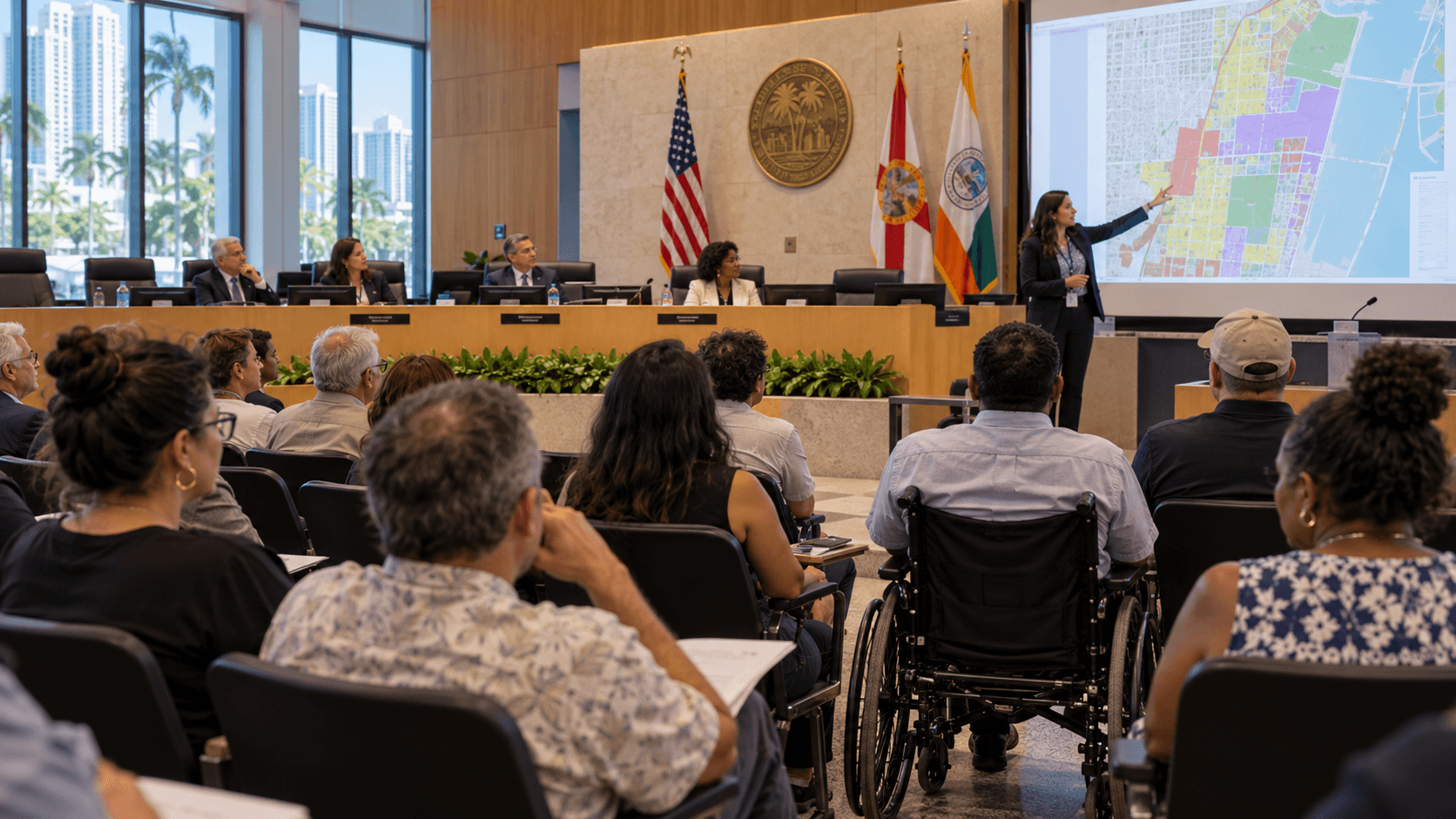
Miami public-meeting dates can shape a block long before residents see a new building, street change, or city program take effect. November’s calendar spans preservation, zoning, public art, design review, and City Commission business- each with a different role in how local decisions move forward.
Residents can identify the right board, read the agenda, and follow the record through the City’s meeting-records portal before forming a view or attending.
At a Glance
The City of Miami lists meetings for the Historic and Environmental Preservation Board, Planning, Zoning and Appeals Board, Art in Public Places Board, Wynwood Design Review Committee, Urban Development Review Board and City Commission.
For a resident following a neighborhood proposal, the useful first step is to identify which board has the item and then read the agenda rather than relying on a headline or social-media summary.
A meeting date alone does not mean a project will be approved, built, or open soon. It identifies where the public discussion and formal action may occur.
Key November dates on the City calendar
The City’s events calendar is the quickest place to confirm a date, while the City of Miami homepage links residents to services, meeting notices and current news. |
 AI generated photo for Miami City Scoop. |
A simple way to follow an item
Miami’s public calendar is most useful when residents use it as a starting point for the documents behind the meeting.
It gives a clearer view of what a proposal could mean for a block, a neighborhood, or the wider city- and what is still unresolved.
Before attending or submitting a comment, confirm the current agenda, location, and participation details directly with the City of Miami. |
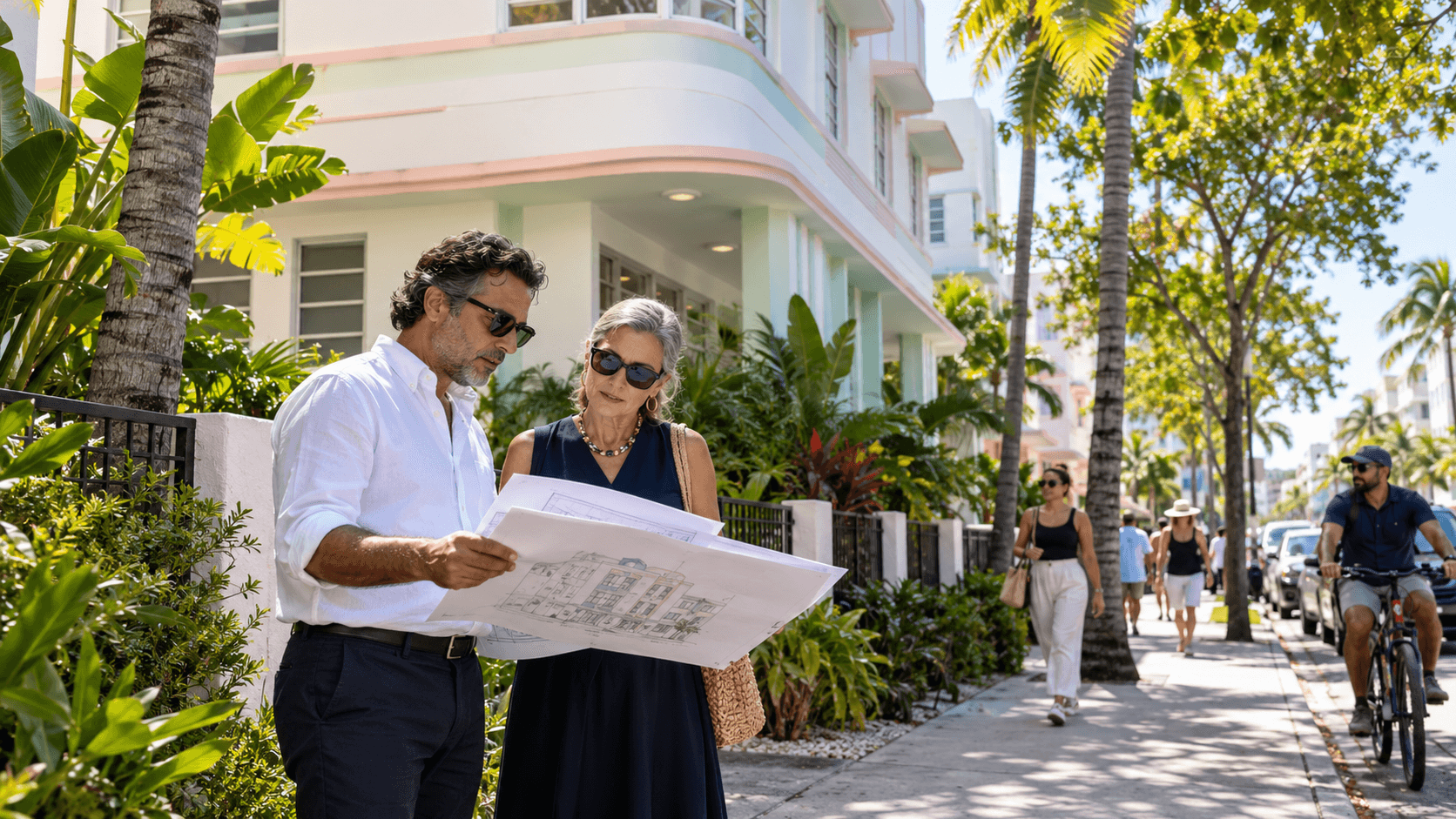 AI generated photo for Miami City Scoop. |
What each meeting can tell residents
The boards on the calendar do different jobs. The Historic and Environmental Preservation Board considers matters tied to designated historic resources and environmental preservation. The Planning, Zoning and Appeals Board considers land-use, zoning and related planning questions.
The Wynwood Design Review Committee and Urban Development Review Board can be especially important for proposed development because their agendas may include site plans, building design, height, massing, streetscape, and other details that shape how a project fits its surroundings.
The Art in Public Places Board reviews public-art proposals, while the City Commission is where broader policy, contracts, funding, and legislative actions can appear.
One project may move through more than one public body, so an early board review should not be read as the final decision.
Residents can use the City’s agenda and meeting-records portal to look for backup documents, staff reports and video. Those materials are often where the project address, applicant, requested action, and conditions are spelled out.
Reading the agenda packet also helps separate what is being requested from what has already been approved. A discussion item, a preliminary review, and a final vote are not interchangeable steps.
For neighbors who are not following a particular proposal, the calendar can still be a useful civic routine. Scanning it once a week makes it easier to catch an item before a vote, rather than discovering a decision after the record is complete.
Meeting notices also help residents see which city body handles a question. That context can make a public comment, records request or conversation with a neighborhood association more focused and more useful.
It is also worth saving the agenda page for a project that affects your block. Later staff reports, revised plans, and follow-up votes often appear there first, making the public record easier to follow from one meeting to the next. |
2 Comments
Join the conversation
I’m glad the dates are in one place. Checking the agenda first makes sense, especially when a meeting date doesn’t mean a project is moving forward.
The November 3 preservation meeting stands out to me. Is there an easy way to see which neighborhood properties are on the agenda before the meeting?