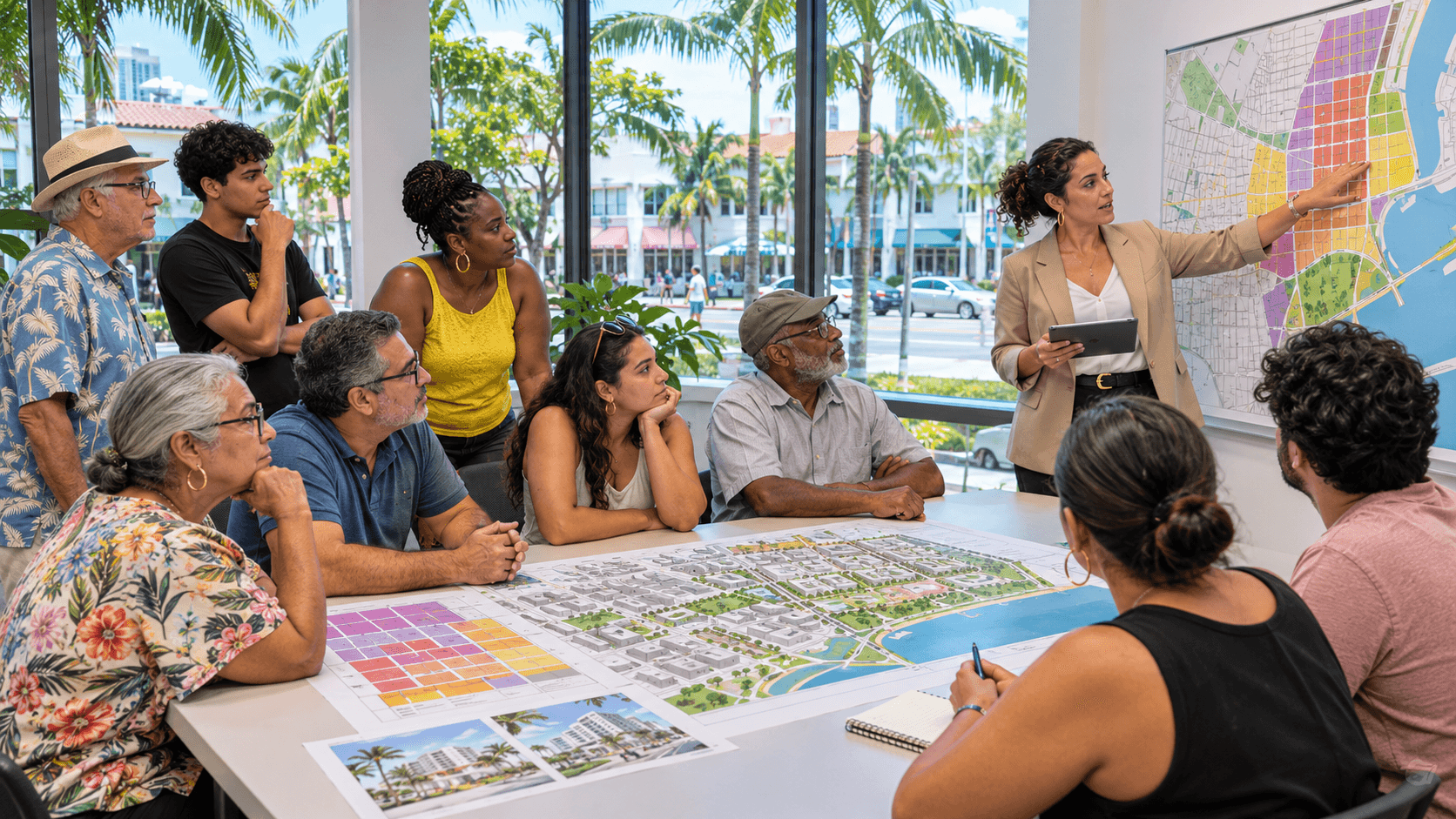
Miami decisions often take shape in meeting rooms before they appear as a construction project, new rule, or neighborhood debate. November’s public calendar gives residents several chances to track those conversations early.
The City of Miami calendar lists Historic and Environmental Preservation Board, Planning, Zoning and Appeals Board, Wynwood Design Review Committee, Urban Design Review Board, and City Commission meetings through November.
At a Glance
Dates alone do not explain what will be considered. The agenda, backup materials, and final minutes are the documents that tell residents whether a proposal was noticed, discussed, continued, recommended, or approved. |
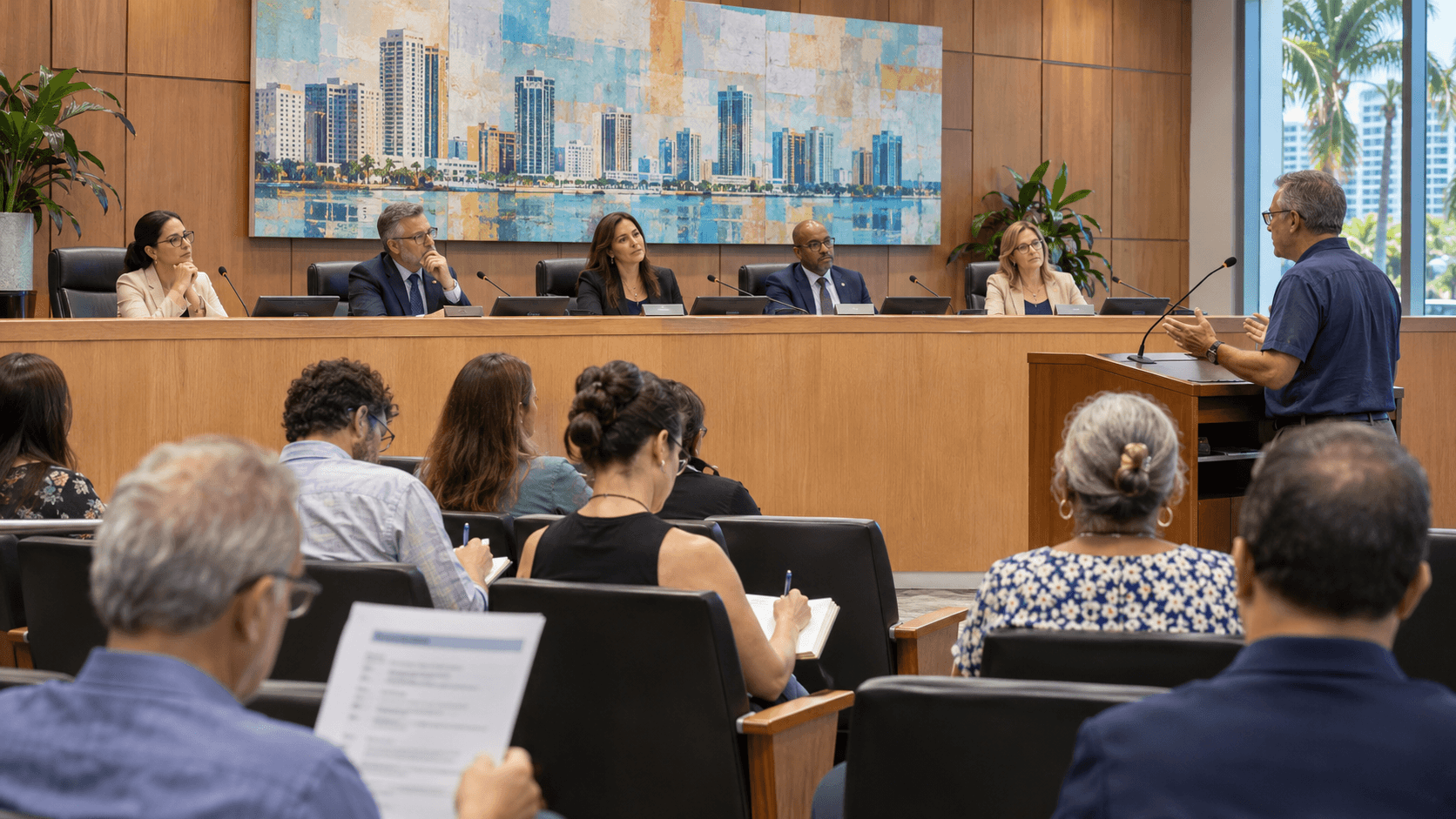 AI generated photo for Miami City Scoop. |
Why each board matters
Planning and zoning meetings can address land use, exceptions, and development rules. Historic and preservation bodies can weigh how proposals affect designated places or cultural resources. Design-review meetings can focus on the physical form of projects, while the City Commission handles broader legislative and policy decisions.
These tracks can overlap without being interchangeable. A favorable board recommendation is not always final approval, and a City Commission action may still be followed by permitting, design work, or implementation steps.
Residents get a clearer picture by following the correct public body, not just the most attention-grabbing project headline.
For someone new to civic meetings, the agenda packet is usually the best place to start. It identifies the application, address, requester, staff analysis, and action being sought. That context makes public comment and follow-up much more useful. |
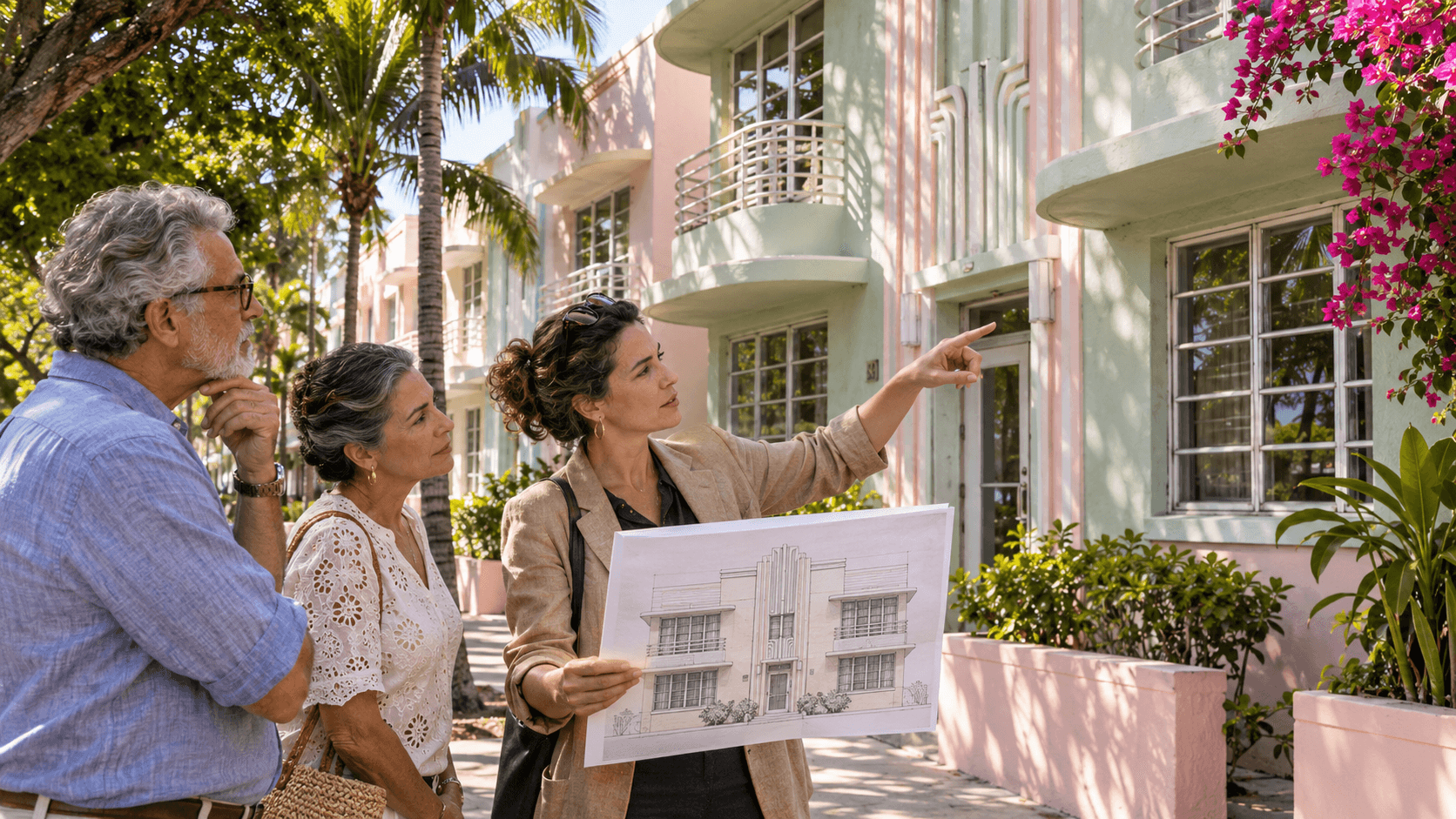 AI generated photo for Miami City Scoop. |
How to follow a Miami meeting well
Use the city’s official calendar to locate the current time and meeting link, then read the agenda before making assumptions about an item. Schedule details can change, so a calendar reminder is not enough on its own.
Resident checklist
Miami’s November civic calendar is not just a list of meetings—it is an early-warning system for decisions that can shape daily life. A few minutes with the official record can turn a vague concern into a specific, informed question.
Turn calendar awareness into useful participation
Public meetings can seem technical, especially when agenda titles use application numbers or planning terms. Residents do not need to be experts to participate effectively. Start by identifying the item, reading the staff summary and asking how a proposed action could affect a block, service or public space you use.
A short, specific comment is often more useful than a broad complaint. Mention the address, application number or agenda item, then explain the issue—such as access, historic character, drainage, tree canopy or neighborhood compatibility—that deserves attention.
After the meeting
Check the minutes or video rather than relying on a quick social-media recap. The final record can show a continuance, condition, amendment, or vote that was not obvious from the initial agenda. That is how residents can tell the difference between a conversation that started in November and a decision that actually moved forward.
What to look for in the agenda packet
Before a meeting, look for the project address, staff recommendation, maps, drawings, and proposed conditions. Those materials can reveal whether an item concerns a new building, a change of use, a variance, a historic review, or a policy question. Write down the file number and save the meeting date; both make it easier to find the final action later. If a decision is continued, check the next agenda rather than assuming it was approved or denied.
That small habit turns a city calendar into a reliable local reporting tool. It also helps residents compare what was proposed, what was discussed, and what the public body ultimately decided. |
7 Comments
Join the conversation
My family always ends up hearing about neighborhood plans after the decision is made. Checking the agenda before the Nov. 19 commission meeting seems like a good habit.
I’m glad these dates are listed, but a meeting date alone doesn’t tell me much. When will the backup materials be available for the City Commission meetings?
The Nov. 4 Planning, Zoning and Appeals Board meeting is the one I’d check first. The agenda should say which neighborhoods might be affected.
The final minutes matter too. If something gets continued instead of approved, that’s a pretty important difference for people trying to follow a local project.
Exactly. Final minutes help residents distinguish a continuation from an approval and see what happened after an item appeared on the agenda.
Rob C.Exactly. I’ve seen people think a project was approved when the board had only pushed it to another meeting.
For anyone following Wynwood changes, the Nov. 10 design review meeting looks worth checking. I’d look at the agenda first to see what’s actually up for review.